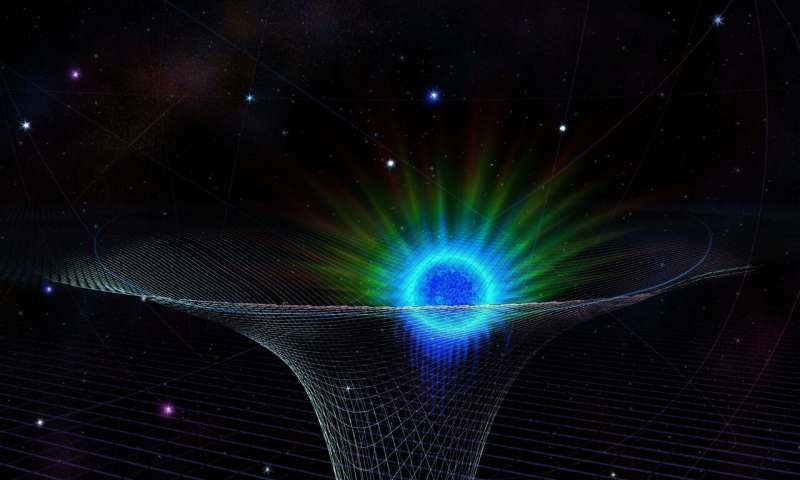
Mark Swaim shares that every so often on a clear night, you catch a glimpse of a small streak of light across the dark sky. People refer to it as a shooting star, but it’s actually a tiny space rock. Its light is caused by the earth’s atmosphere causing friction to its outer surface. There are times in a year when a “shower” of these rocks enters the earth’s upper atmosphere and creates a light show.
The Sonic Boom
Bigger rocks can pass through the atmosphere and create a sonic boom plus a trail of rocky debris falling in its wake. Mark Swaim says that they are usually called space junk, and are what is left behind from a comet. Some rocks may even be asteroids, which may pose to be lethal to anything which happens to be in its path if it is big enough.
The Size of a Pea
However, there’s no need to worry since most are high-flying and silent shooting stars. They are about the size of the pea, which means you can stow an entire local meteor shower in your backpack. Each meteor shower happens about the same time each year or whenever the Earth heads into some long-lasting debris field.
Mark Swaim adds that whenever a big enough meteor bursts in the lower atmosphere, it can sound off a loud boom (the bigger the meteor, the louder the boom), and direct a band of light into the sky.
The Colorful Blaze
The earth’s gravity pulls at nearby space rocks. As they get tugged into the atmosphere, they experience friction, which releases a large amount of heat. This ignites the meteor and results in a fiery blaze that can unveil a range of colors.
The Great Radiant
Each meteor shower has a radiant, which is the point in the sky from which it appears to come from. This is the direction the Earth plows into the debris field. As the planet strikes, it hits the space rocks from that angle. Try looking straight at the radiant to see a quick streak of light, and look sideways to the radiant to catch the rocks’ long and vibrant tails.
Mark Swaim says that despite being called space junk, these pea-sized space rocks can sure create a brilliant light show.

